

“Washington Monument Syndrome” stall restaurant inspections
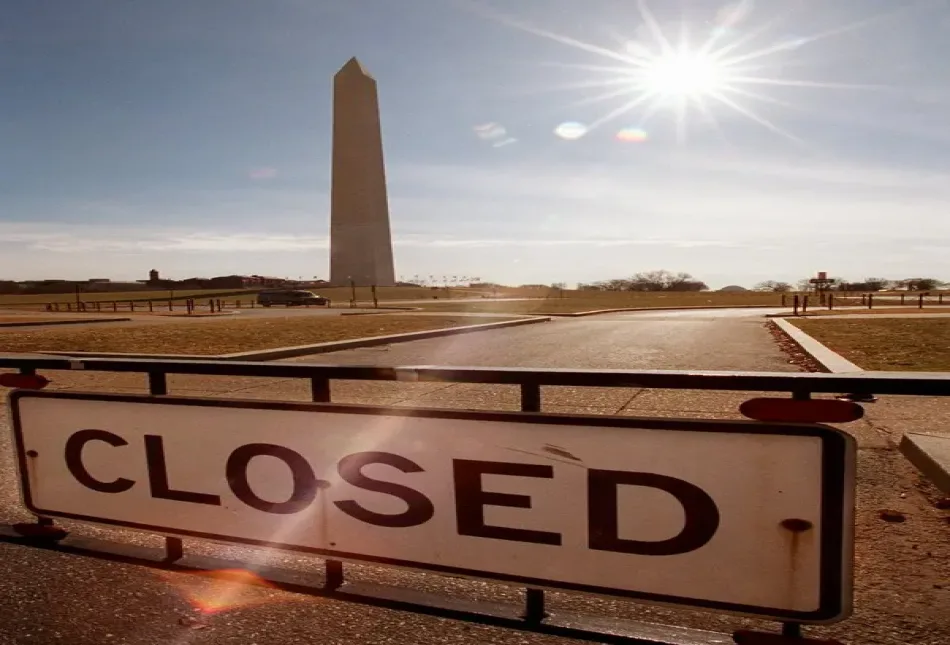
Inspecting restaurants for safety is pretty close to a core function of government. The Environment Department and other parts of New Mexico government are happy to do things that have nothing to do with core government functions, but inspecting restaurants is apparently just too much to ask. It’s called Washington Monument Syndrome.
KOAT TV and others are reporting that the New Mexico Environment Department has “temporarily suspended routine inspections of restaurants, public pools, and septic systems due to budget constraints, grounding 35 inspectors and raising concerns about safety.”
That’s because while $1.2 million was requested during this year’s legislative session to maintain staff salaries and the inspection program, the funding was not approved.
The department will receive a 9% budget increase for fiscal year 2027, starting July 1, but according to Environmental Health Director William Schaedla, “That 9% doesn’t keep pace with increasing costs. Vehicular costs have gone up. We’re mandated by the state personnel office to provide revisions to health care coverage for the staff.”
It IS worth noting that restaurants have a self-interest in being clean and careful with regard to how they produce and serve food, but these inspections are still important and simply indicate that GOVERNMENT doesn’t care enough to fund them. As the New Mexico House GOP noted “The Environment Department has seen a 226% general fund budget increase since FY19. That does not include federal funding. Yet it cannot maintain a basic public safety function like food inspections. That points to misallocation, not scarcity.”
It is hard to disagree with them especially when you further consider that under Gov. MLG spending has grown 81% and the state is sitting on more than $70 billion in its permanent funds. But, the politicians who run New Mexico can’t find the money to inspect restaurants.
Recently RGF argued against various fee increases on restaurants (outside of Bernalillo County) and urged our friends and supporters to contact the Environmental Improvement Board (EIB) in opposition. We stand by that effort and believe that the State has more than enough money to do adequate inspections. If the Legislature and Gov. wish to increase fees, they should do that legislatively.
UPDATE: MLG has issued an order requiring restaurant inspections to resume.