
Plan to pay legislators would make them best paid in the region
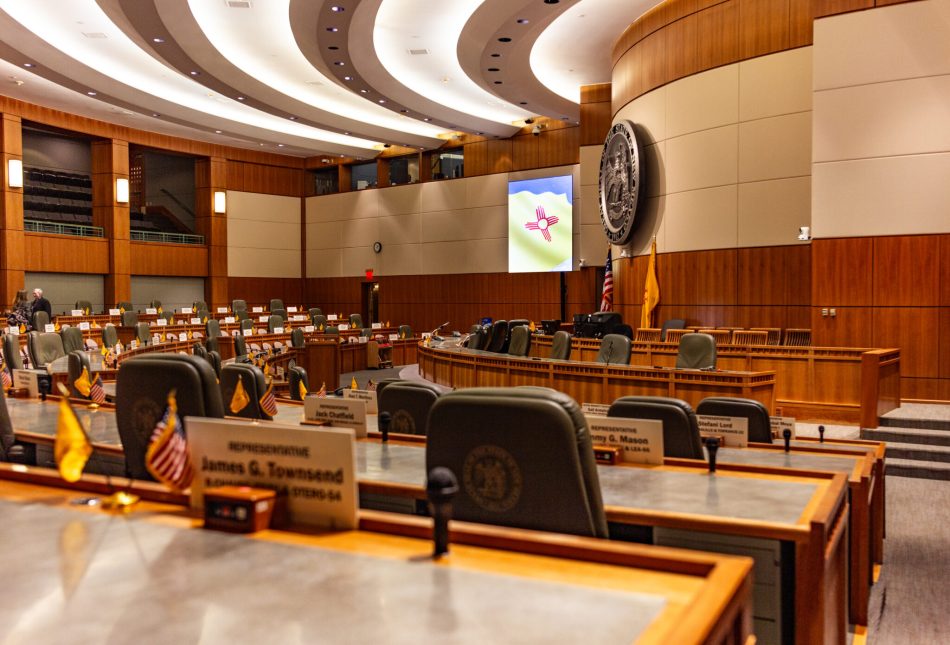
Among the many developments of the 2026 legislative session (thanks to the passage of HJR 5) is the fact that New Mexico voters will have a chance to vote on a constitutional amendment asking them whether or not they wish to pay legislators an annual salary tied to the median household income in New Mexico which is about $67,800 annually.
The Rio Grande Foundation has long been agnostic on the issue of paying legislators. We do not believe that paying legislators will result in better legislation because New Mexicans have had plenty of chance over the years to vote for better legislators than hey have currently, yet here we are. So, the “quality” argument doesn’t hold up. That being said, fair pay for fair work is a free market principle based on sound reasoning and incentives reflecting the tremendous time and work which is definitely more than the 30 or 60 days of each session.
The problem is that the Democrats who control the Legislature and who supported this amendment (Republicans universally did not) overshot the mark. For starters, legislators would continue to receive “per diem” as they do now of about $200/day PLUS mileage reimbursement.
Additionally, New Mexico legislators receive a VERY generous pension. We are NOT fans of the pension system. We believe that paying legislators for time worked is reasonable, but the pension system does nothing to incentivize good work and everything to incentivize longevity. Oh, and IF the voters approve this plan New Mexico will suddenly have the MOST generous pay plan in the region by FAR. According to the National Council of State Legislators here are the legislative pay rates of our neighboring states.
New Mexico: $67,800 annually (proposed)
Arizona: $24,000 annually
Utah: $301 per legislative day (that works out to $9,030 for a 30 day session and $18,060 for a 60 day session)
Colorado: between $44,000 and $47,000 annually depending on service dates.
Oklahoma: $47,500 annually
Texas: $7,200 annually