

MLG’s unchecked “emergencies” are expensive in many ways
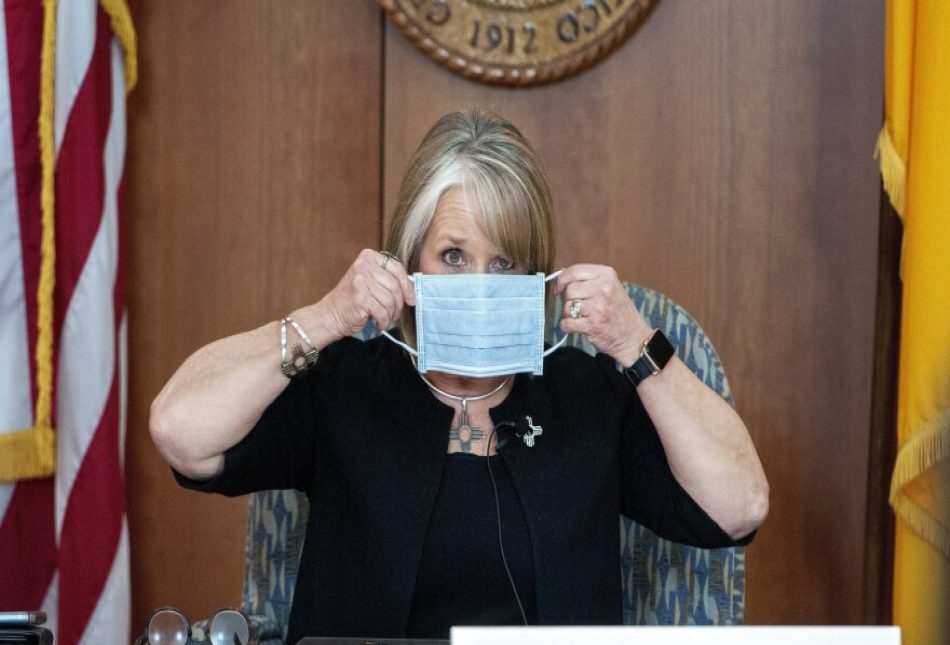
More than any organization in New Mexico, the Rio Grande Foundation has continued to advocate for reform of New Mexico’s laws relating to public health emergencies. Our primary issue is to restore the Legislature’s role in approving and continuing emergencies, but we ALSO think a subject matter limitation SHOULD be part of the mix.
The big public health emergency of course was COVID-19 when the Gov. kept New Mexico children out of school for over a year. But, you may recall that the Gov. attempted to eliminate the 2nd amendment to the US Constitution in Bernalillo County as well.
Now, apparently, the Legislative Finance Committee has expressed concerns about separation of powers and executive spending without accountability. According to Source NM, “Gov. Michelle Lujan Grisham’s frequent use of executive emergency orders has fueled intense debate, unlocking nearly $554 million without legislative approval between 2023 and 2026. While largely directed at natural disasters, this spending—surging 543% over a five-year period—has drawn bipartisan scrutiny.”
-
- Massive Spending Totals: State data reveals that Lujan Grisham signed over 800 executive orders between 2023 and 2026. In 2025 alone, 417 executive orders cost the state $304 million.
- The Revenue Gap: These executive orders frequently tap the state’s Appropriation Contingency Fund. For instance, the governor spent roughly $380 million via emergency orders from this fund between July 2024 and mid-2026, despite the Legislature allocating only $150 million to it during that time.
- Broad Scope of Use: While a majority of the funds target severe natural disasters like the South Fork and Salt fires in Ruidoso and devastating burn-scar flooding, funds have also been used for emergency food assistance during federal shutdowns and National Guard deployments to Albuquerque and Española.
Many lawmakers argue the executive branch is circumventing the Legislature’s constitutional oversight—especially since a significant portion of the disaster recovery funds are spent well after the immediate acute phase of an emergency, leaving ample time to call a regular or special legislative session. It looks like legislative action will be required once MLG is out of office to constrain the executive in all kinds of emergencies.